
Solar Control Window Film
Solar Control Film Installation
Reducing Heat & Glare Without Losing Light
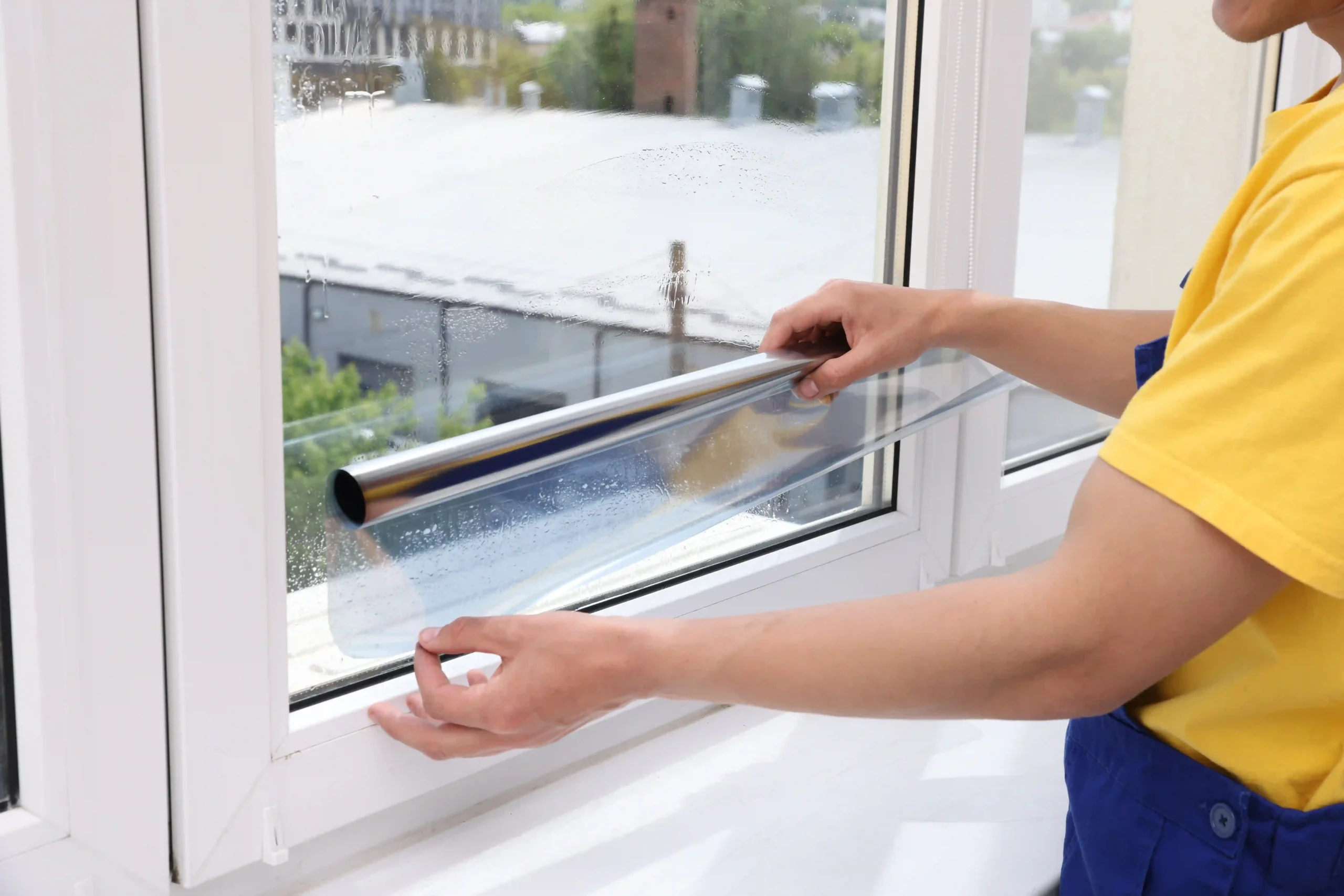
We fit solar control window film, cutting glare and reducing heat build-up in a room while keeping the window looking essentially unchanged. Solar control film works by managing how much solar energy passes through the glass, reducing both the heat and the glare that comes with strong sunlight. It suits rooms that get uncomfortably warm, glare-affected screens, and conservatories that overheat in summer particularly badly. We assess the actual sun exposure a room gets before recommending a specific film grade.
Solar Control Film Cost
Pricing by Glass Area & Film Grade
Solar control film cost depends mainly on the glass area covered and the performance grade of film chosen.
A higher-performance film, cutting more heat and glare, costs more than a lighter, more subtle grade. Larger glazed areas, a conservatory roof or a full elevation, cost more than a single standard window. We quote against your actual glazing and the performance you're looking for, rather than a flat per-pane figure.
Heat & Glare Reduction
Cooler Rooms Without Blocking the View
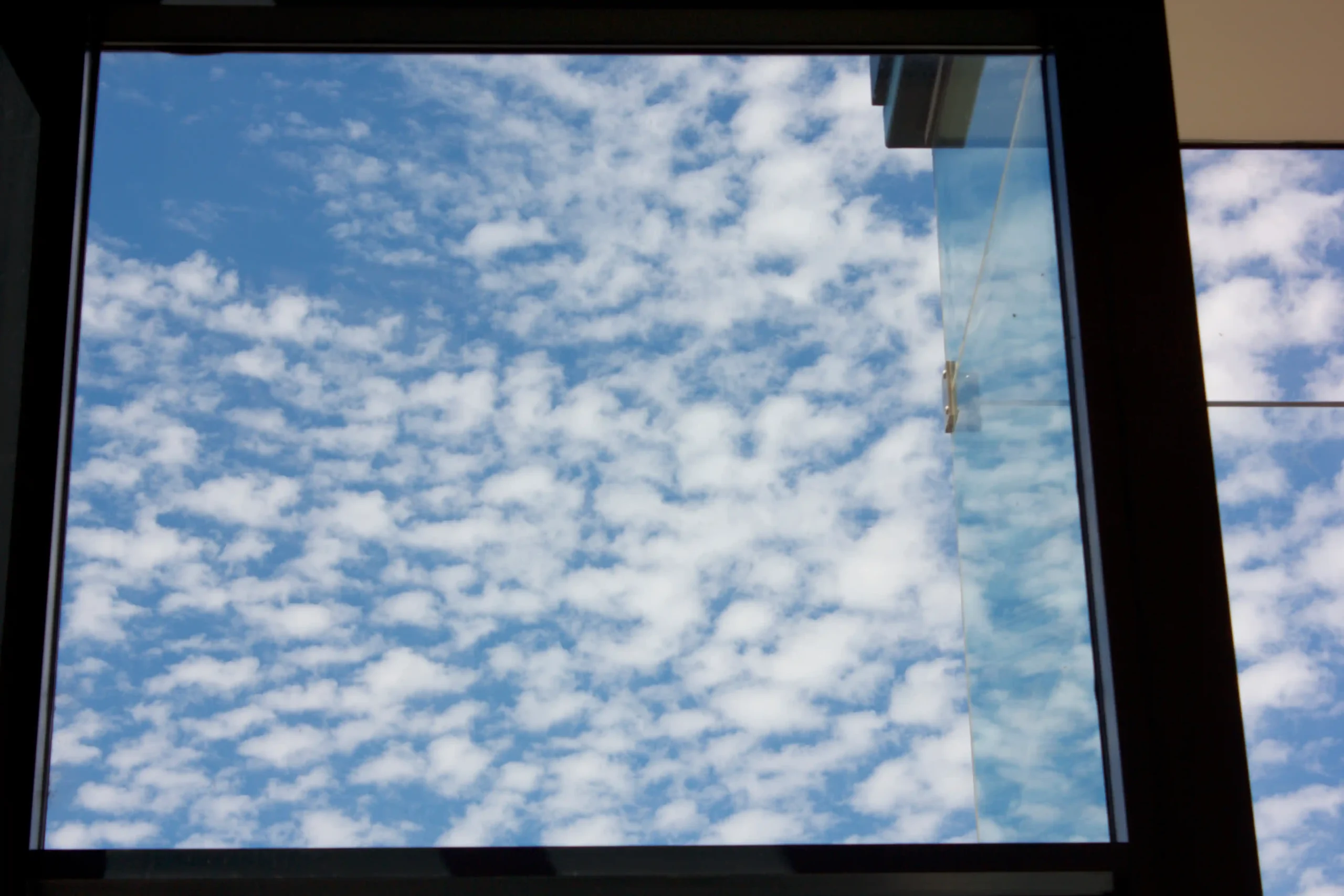
Solar control film works by reflecting or absorbing part of the sun's energy before it reaches the room, though how much visible light comes with it depends on the grade chosen.
- The film targets infrared and UV wavelengths specifically, the parts that carry heat.
- Lighter, spectrally-selective grades let most visible light through with minimal darkening.
- A reflective grade changes the window's appearance more, cutting more visible light too.
We choose a grade that manages heat properly for the look and light level you actually want.

UV Protection Film
Reducing Fading on Furniture & Flooring
UV exposure through glass fades fabric, flooring and furniture considerably faster than most people expect.
- Sofas, carpets and curtains all show UV fading first in direct sunlight.
- Solar control film blocks a significant proportion of UV radiation passing through glass.
- This protection applies even on days that feel cool, since UV isn't tied to heat.
We treat UV protection as a genuine benefit alongside the heat and glare reduction.
Conservatory & Rooflight Solar Film
Managing Heat Gain Overhead
Conservatories and rooflights take direct overhead sun, making them prone to overheating more than any standard vertical window.
Roof glazing receives far more direct solar exposure than a wall-mounted window does across most of the day. This makes a conservatory genuinely unusable in peak summer without some form of heat management in place. We fit solar film rated for roof glazing specifically, since it faces a harsher environment than a standard window.
Reflective vs Neutral Solar Film

Choosing a Visible Finish
Solar control film comes in reflective and neutral finishes, and the visible difference matters to some properties.
- Reflective film gives a mirrored appearance from outside, offering more privacy too.
- Neutral film performs similarly but stays close to invisible from either side.
- A period or conservation property often suits neutral film better aesthetically.
We'll talk through which finish genuinely suits your property's appearance.

Solar Film & Energy Efficiency
Reducing Reliance on Air Conditioning
Reducing solar heat gain means a room needs less mechanical cooling to stay comfortable during warmer months.
- Less solar heat entering a room reduces how hard air conditioning has to work.
- This can meaningfully reduce cooling costs in a room that overheats regularly.
- Solar film complements existing cooling rather than replacing it entirely on its own.
We're honest about what solar film can realistically achieve for energy use.
Solar Film for Offices & Commercial Glazing
Comfort Without Blinds
Commercial glazing often uses solar film as an alternative to blinds, keeping a space bright without the heat and glare.
Blinds block both heat and useful daylight together, while solar film manages heat and glare while keeping the room genuinely light. This suits an office wanting to keep daylight for staff wellbeing without the discomfort of direct summer sun. We fit solar film to commercial glazing on the same standard as any residential installation.
Solar Film Performance Ratings
What the Percentage Figures Actually Mean
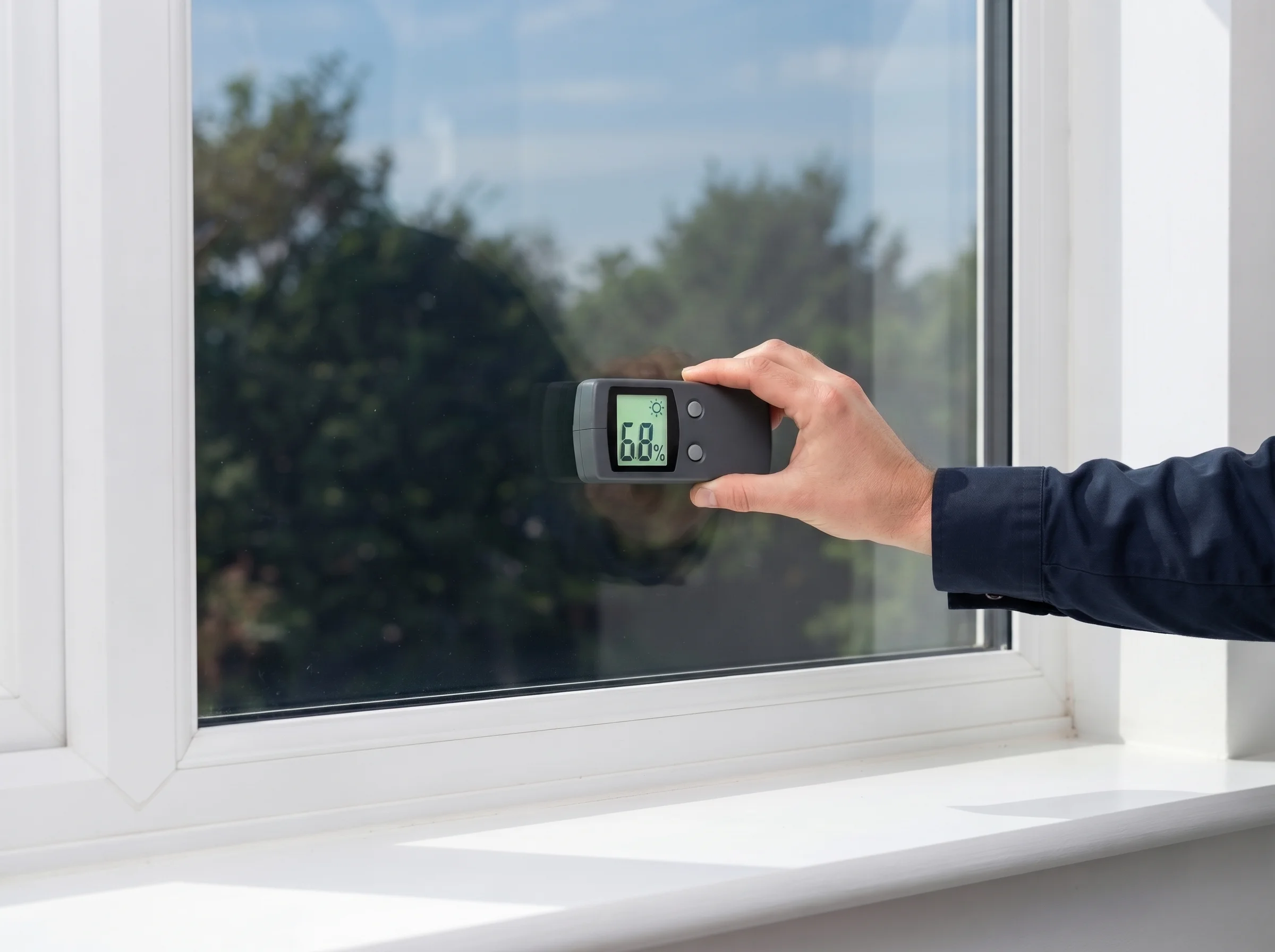
Solar film is often sold with percentage figures for heat and light rejection, and these are worth understanding properly.
- Heat rejection figures describe how much solar heat the film blocks from entering.
- Light transmission figures describe how much visible light still passes through.
- These figures vary by test method, so comparing products isn't always straightforward.
We explain what a specific figure actually means, rather than quoting a number without context.

Solar Film vs Double Glazing Upgrades
A Lower-Cost Alternative
Upgrading double glazing for better solar performance is a significant undertaking compared with fitting solar film.
- Solar film fits to existing glass, avoiding the cost and disruption of replacement.
- Double glazing upgrades address more than solar gain, including general thermal performance.
- Film suits a targeted problem, while replacement suits a broader upgrade of the whole window.
We assess whether film genuinely resolves your issue before suggesting anything more involved.
Solar Film Timescales
How Long a Solar Film Job Takes
Solar film timescales depend mainly on the glass area and access, particularly on a conservatory or rooflight.
A standard window or two is often completed within a couple of hours on the day. Roof glazing and larger conservatories take longer, given the access and careful handling that overhead glass demands. We give a realistic timescale once we understand your specific glazing and access.
Solar Film Guarantees

Cover for Fading, Bubbling & Peeling
Solar film should come with a guarantee covering both performance and the quality of the fitting itself.
- A workmanship guarantee should cover bubbling or peeling at the film's edges.
- Performance cover matters, since a solar film's effectiveness shouldn't fade prematurely.
- Ask to see proof of guarantee cover before committing to any solar film project.
We're happy to explain exactly what our guarantee covers before any work begins.
Solar Control Film Near Me
Finding a Local Solar Film Specialist
Finding a local solar film specialist matters, since correct grade selection depends on assessing your actual sun exposure.
- A local specialist can visit and assess sun exposure more accurately than a remote quote.
- Ask specifically about solar film experience, not just general window film work.
- Local knowledge of common property orientations speeds up an accurate recommendation.
We're happy to talk through our solar film experience before you commit to booking.
CUSTOMER REVIEWS
Deans Group installed a cassette awning over our rear patio. The team in Glasgow was brilliant from design to final fitting. Extremely solid build and easy to operate.
Had anti-glare window film applied to our south-facing conservatory glass. The temperature drop during sunny days was noticeable straight away. Professional work.
We commissioned a glass room extension for our home in Stirling. Modern design, fantastic craftsmanship, and turned out even better than the initial 3D plans.
Great commercial canopy fitting for our shop storefront in Edinburgh. The branded graphics look sharp and the installation team worked seamlessly around business hours.
Prompt site survey and very detailed quote for solar shading blinds. Fitting was clean, quick, and left zero mess. Delighted with the final outcome.
Safety window film installed for our ground floor office premises. Efficient service and top quality work throughout. Highly recommend Deans Group.
motorized patio awning fitted seamlessly onto our extension wall. Great wind sensors built in so it retracts automatically when severe weather hits.
Used Deans for traditional shopfront awnings for our restaurant group across West Central Scotland. Reliable service and robust product durability.
Frost privacy film fitted on internal glass partitions in our office space in Glasgow. Clean installation and looks very professional.
Excellent communication, fair quote, and first-rate workmanship installing our outdoor canopy structure. 10/10 service.
Frequently Asked Questions
Does solar control film make a room too dark?
It depends on the grade. Lighter, spectrally-selective film lets most visible light through with minimal darkening, while a reflective grade changes the window's appearance more and cuts more light with it. We'll talk through what a specific grade actually does before you choose one.
How much heat can solar control film actually block?
This varies by film grade, described through heat rejection figures. A higher-performance film blocks more solar heat than a lighter grade, though test methods vary between products.
Does solar film protect furniture from fading?
Yes, it blocks a significant proportion of UV radiation passing through glass, which is the main cause of fading on sofas, carpets and curtains in direct sunlight, even on cooler days.
Is solar film suitable for a conservatory roof?
Yes, and it's particularly useful there, since rooflights take far more direct solar exposure than a standard vertical window and can make a conservatory genuinely unusable in peak summer without it.
What's the difference between reflective and neutral solar film?
Reflective film gives a mirrored appearance from outside and offers more privacy, while neutral film performs similarly but stays close to invisible, often suiting a period property better.
Can solar film reduce air conditioning costs?
It can help, since less solar heat entering a room means mechanical cooling doesn't have to work as hard, though film complements existing cooling rather than replacing it entirely.
Is solar film a good alternative to blinds in an office?
Often, yes, since blinds block both heat and useful daylight together, while solar film manages heat and glare while keeping a space genuinely bright for staff throughout the day.
What do solar film performance percentages actually mean?
Heat rejection figures describe how much solar heat is blocked, while light transmission figures describe how much visible light still passes through. These vary by test method between products.
Is solar film cheaper than upgrading double glazing?
Generally, yes, since it fits to existing glass and avoids the cost and disruption of replacement, though it addresses solar gain specifically rather than general thermal performance.
Is solar control film covered by a guarantee?
Yes, it should come with a workmanship guarantee covering bubbling or peeling at the edges, alongside performance cover ensuring the film's effectiveness doesn't fade prematurely.